Dystonia isn’t rare. It’s just unheard.

Too many people living with dystonia feel invisible. We’re here to change that by speaking up, sharing real stories, and making sure no one goes through it alone.
Smiling woman with long brown hair wearing a light gray sweater, sitting on a couch and holding hands with another person in a bright room.
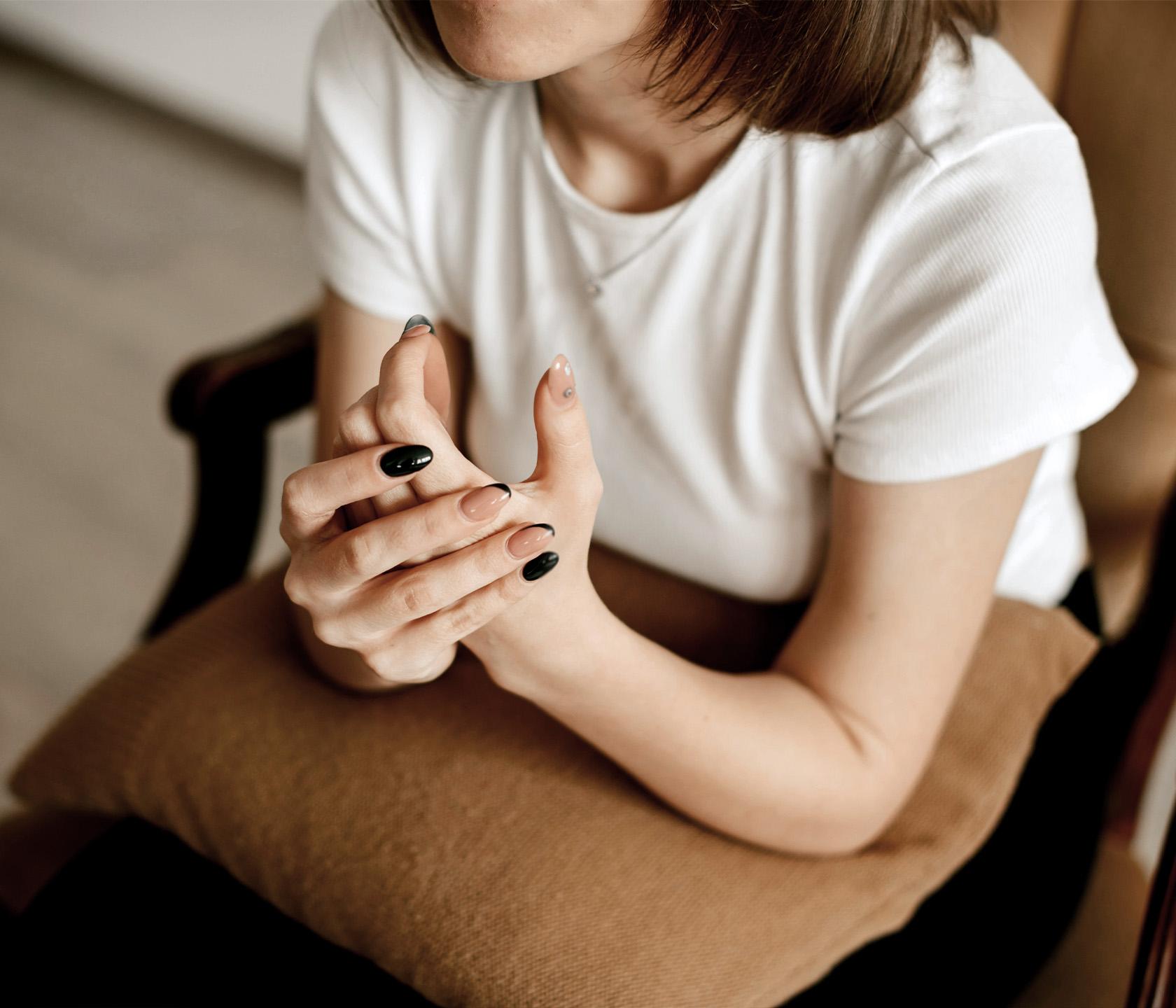
A person sitting on a brown cushion with their hands clasped, showing manicured nails painted in black and nude shades with small decorative designs.
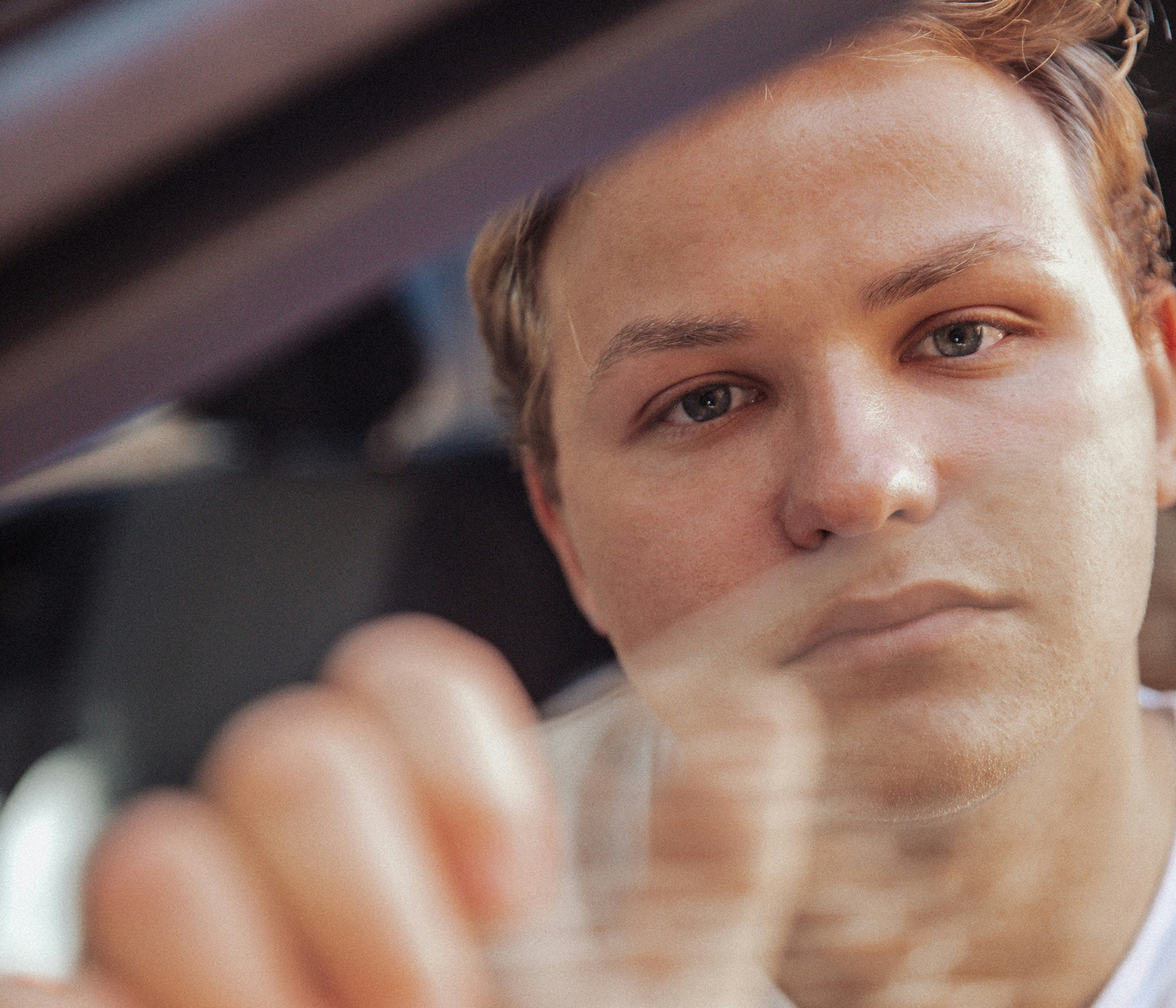
Close-up of a young man with light skin and blonde hair looking pensively through a window with his hand blurred in the foreground.
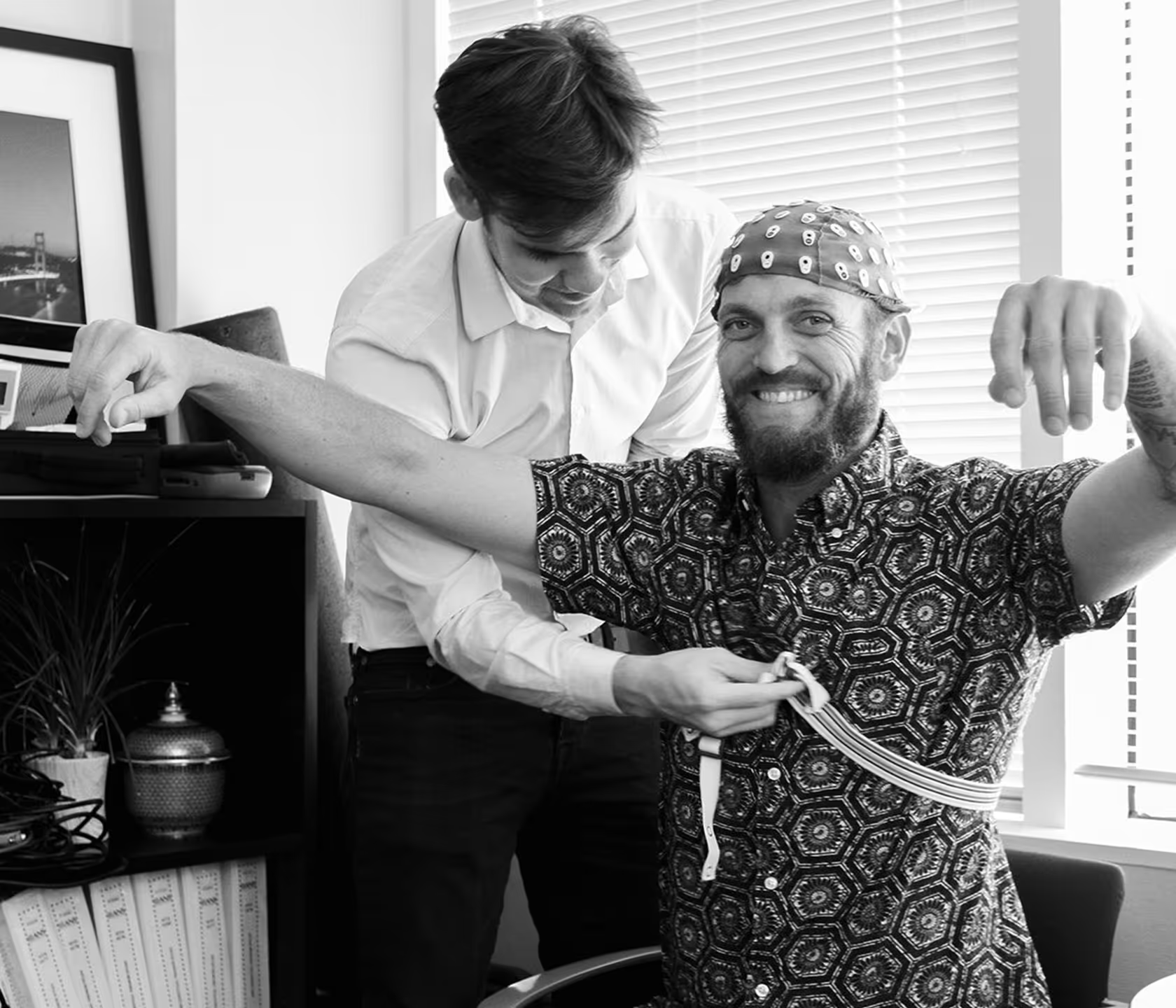
Man with a patterned head cap and shirt smiling while another man in a white shirt measures his chest with a tape measure in a bright office setting.
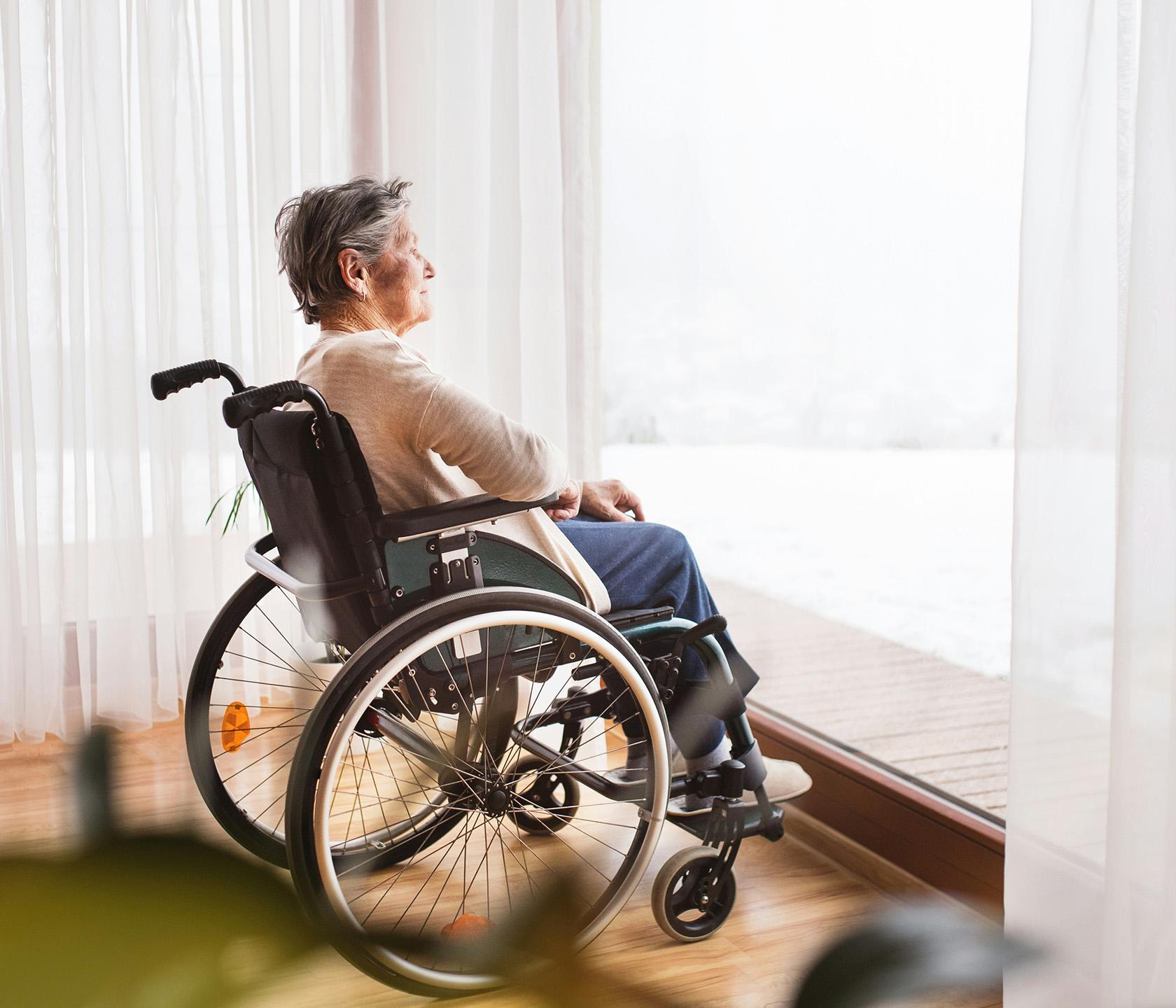
Elderly woman sitting in a wheelchair indoors, looking thoughtfully out a large window with sheer white curtains toward a bright outdoor scene.
Man wearing a gray shirt holding his neck with one hand, suggesting neck pain or discomfort.
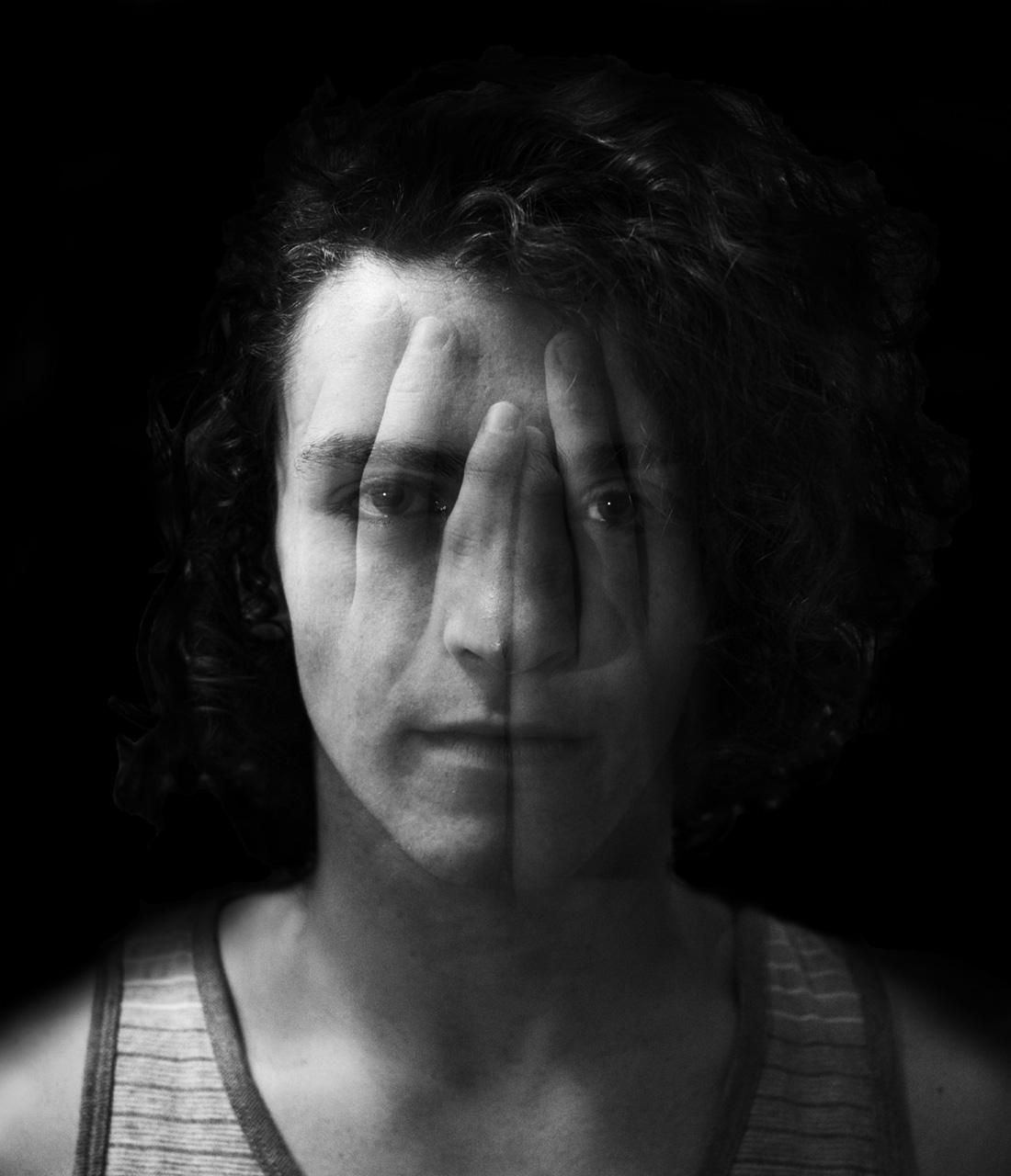
Black and white double exposure image of a young man with curly hair wearing a striped tank top, with a transparent hand partially covering his face, blending with his facial features.

Our Reason

We exist to give those with dystonia a voice and connect them to the support they deserve.

For too long, dystonia has been overlooked, misdiagnosed, and dismissed. People living with the disorder are often left searching for answers, support, or even just someone who gets it. We’re a dystonia nonprofit that aims to shine a light, build a community, and make sure no one has to go through this alone.

Why Awareness Matters

Dystonia affects hundreds of thousands, yet remains one of the least recognized movement disorders. Raising awareness helps shorten diagnosis times, increase research funding, and ensure that every person living with dystonia receives the care, understanding, and support they deserve.
250,000+
people in the United States
live with dystonia
StatPearls, NIH
3rd
most common movement disorder in adults
StatPearls, NIH, and Medina Escobar 2021
3.7 yrs
average wait for a cervical dystonia diagnosis
Tiderington, Jinnah et al. 2013
3.5
clinicians seen before that diagnosis
Same study, same 108 patients

No One Fights Alone

From treatment options to daily-life advice, we connect you to trusted experts and real-world support that actually helps.

Young woman wearing glasses and a yellow top focused on working on a silver laptop at a white desk near a window.

I was just diagnosed

Breathe. Here’s what dystonia is, what happens next, and what questions to bring to your neurologist.

Start here
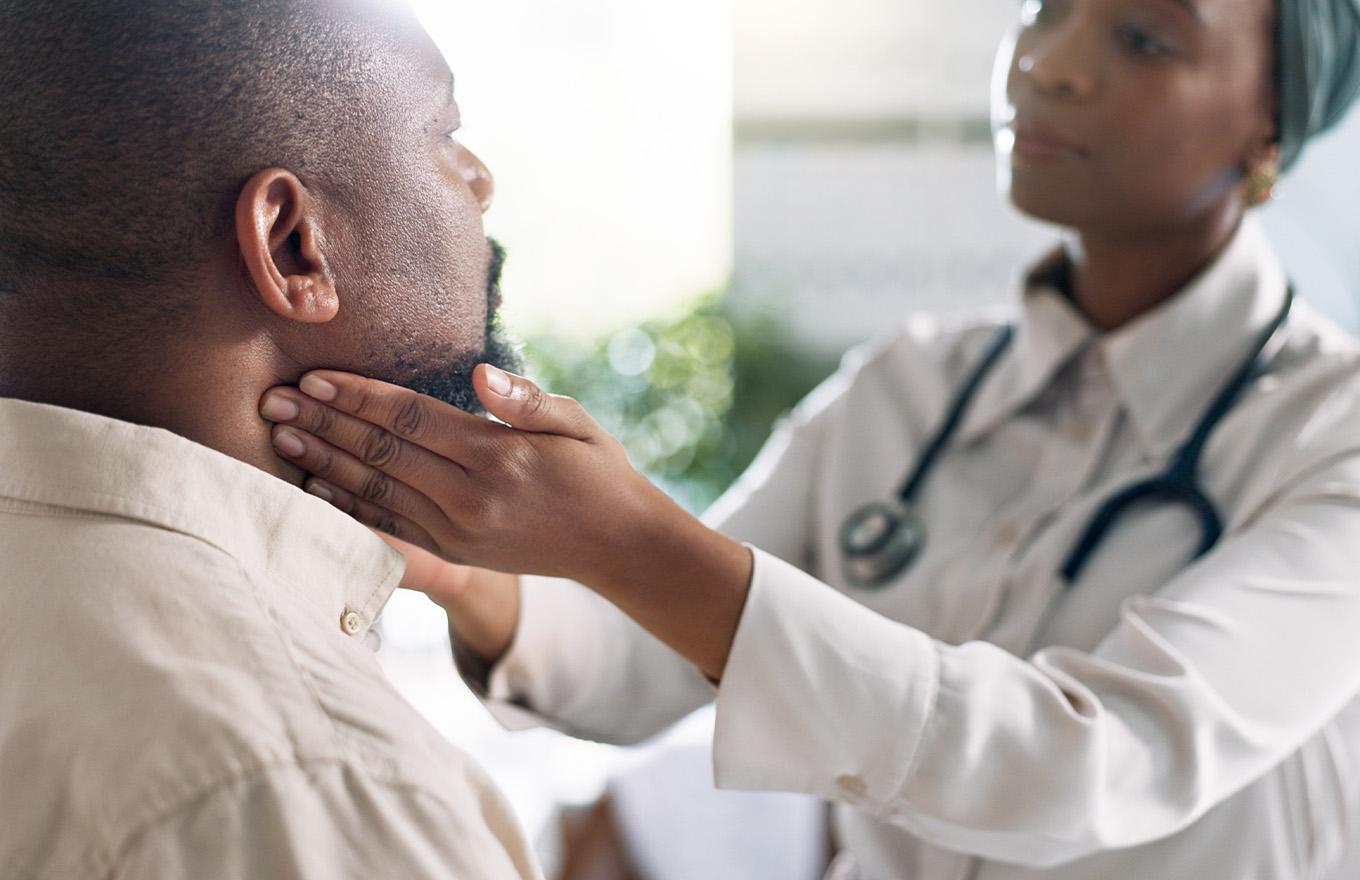
A healthcare professional wearing a white coat and stethoscope examines a male patient by gently palpating his neck.

No one can tell me what's wrong

Most people spend years being told it’s something else. Here’s what dystonia looks like.

Recognize the signs
Person sitting on a beige sofa holding and comforting another person's hand with both hands, conveying support and compassion.

I’m caring for someone with dystonia

Practical tools for daily living, work, travel, insurance, and family planning.

Find resources

Smiling couple sitting close on a couch, holding hands and looking at each other happily in a bright room.

I want to connect with others

Support groups, online communities and forums where people who have dystonia talk to each other.

Find your people

Defining Dystonia

Dystonia is a neurological disorder that causes muscles to contract uncontrollably, leading to twisting, repetitive movements, or abnormal postures. It can affect a single part of the body or multiple areas. No two cases look exactly the same. While there’s no cure, treatments can help manage symptoms and improve quality of life.

Some dystonia symptoms include:
Involuntary muscle spasms

Sudden, uncontrollable muscle contractions that can occur in one or more parts of the body.

Twisting or repetitive movements

Muscles may pull or turn repeatedly, making movements feel jerky or forced.

Unusual posture or stiffness

Persistent muscle tightness can cause awkward or fixed positions that are hard to control.

Pain or discomfort from muscle contractions

Continuous strain on muscles can lead to soreness, cramping, or fatigue.

Difficulty with daily movements

Everyday actions like writing, walking, or speaking may become challenging over time.

Close-up of a woman's bare upper back and neck with hands resting on the back of her neck, hair falling to one side against a plain white background.

Recently Diagnosed?

Breathe. You’ve got this. A dystonia diagnosis can be overwhelming, but you’re not in it alone. We’re here to help you make sense of it and connect you with the support you need.

Resources and Support

Female doctor wearing a white coat and stethoscope, sitting at a desk with a notebook and pen, attentively listening to a patient.

Frequently asked questions

Who is the Dystonia Foundation®?

We’re a nonprofit on a mission to shorten dystonia’s diagnostic delays through awareness, education, and advocacy, preventing misdiagnosis and accelerating access to effective care. Our goal is to make sure no one faces this condition alone.

How is the Dystonia Foundation® different from other organizations?

While medical organizations focus on research and treatment advancements, we fill the gap in communication, awareness, and community support. We amplify the voices of those living with dystonia and provide guidance through lived experiences.

How can I get involved?

There are many ways to help! You can donate, volunteer, or fundraise to support our mission. Even something as simple as sharing information about dystonia can make a huge impact.

Where does my donation go?

Every donation helps us do what matters most: get people the information, support, and community they need to deal with dystonia. Whether it’s funding awareness efforts, creating helpful resources, or connecting people who feel alone, your support makes a real impact where it’s needed most.

Your Support Moves Us Forward.

Every contribution fuels awareness, understanding, and better care for people living with dystonia.